Founding Sponsor

Continuously refreshed World Data and Human Data for Physical AI — the spatial ground truth intelligent machines need.
Creating the physical infrastructure for AI. The next generation of artificial intelligence won’t live inside computers — it will move through our streets, inspect our infrastructure, operate our warehouses and work alongside people in nearly every industry.
Physical AI demands an accurate, continuously updated understanding of the real world.
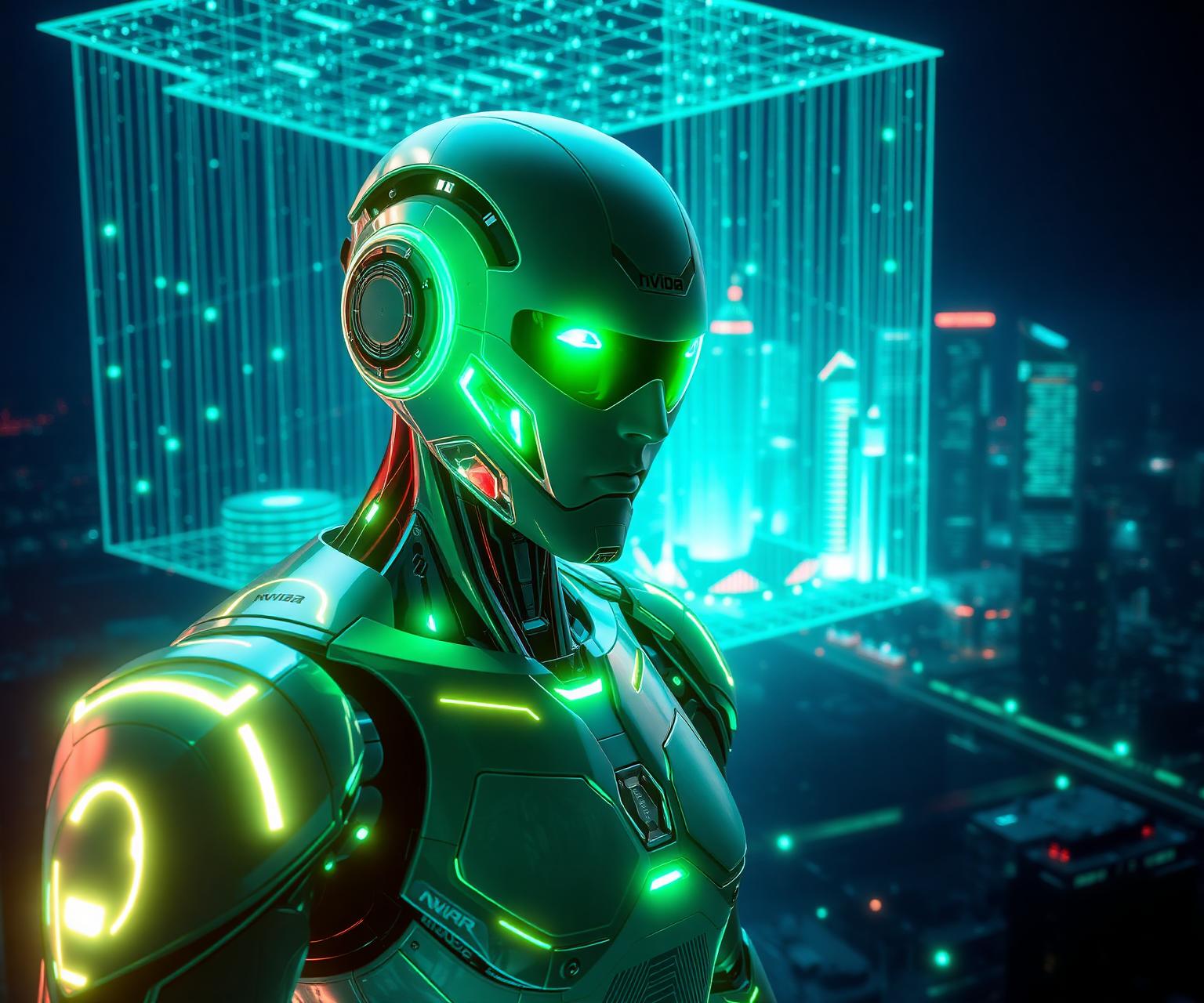
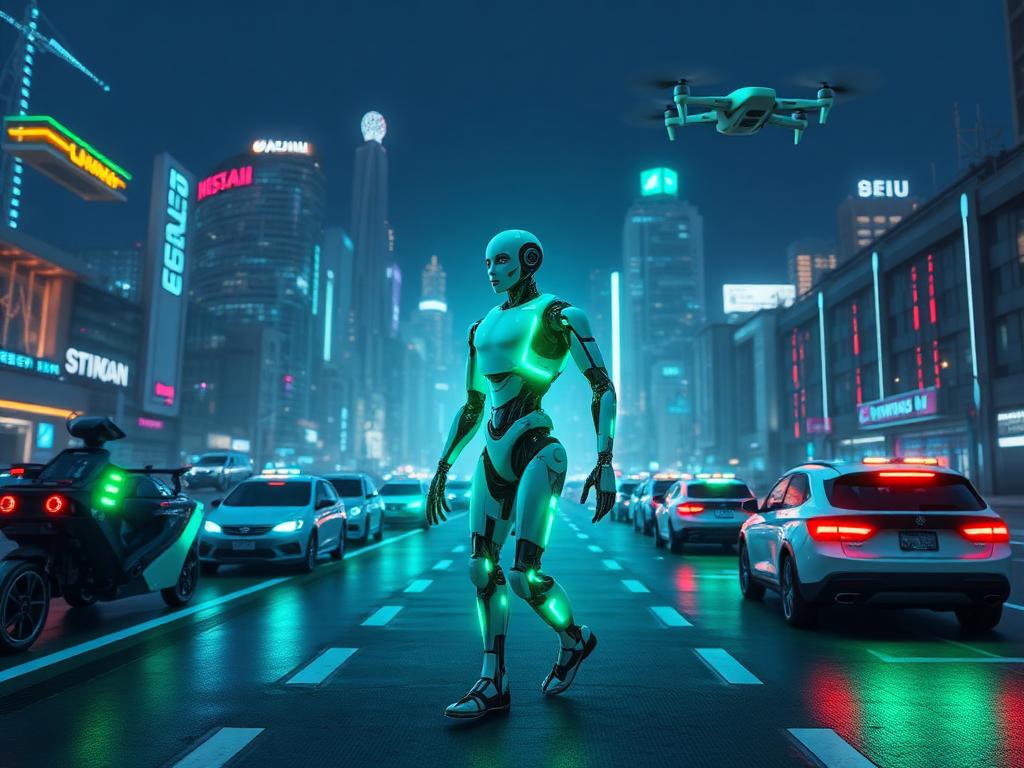
The next generation of AI will not live exclusively inside computers. It will move through our streets, inspect our infrastructure, manage warehouses, assist workers, deliver goods, maintain utilities and operate alongside people in nearly every industry.
Every autonomous vehicle, humanoid robot, delivery drone, warehouse robot, digital twin and intelligent infrastructure system requires a constantly refreshed model of reality. The quality of that data will determine how safely and effectively intelligent machines can perceive, reason, navigate and act.
Developed for senior executives, this series brings together leaders from government, infrastructure, engineering, AI, robotics and industry to examine how organizations can prepare for a future where intelligent machines become part of everyday operations.
The series convenes the platforms, data providers and reality-capture leaders making Physical AI possible.
Continuously refreshed World Data and Human Data for Physical AI — the spatial ground truth intelligent machines need.

Accelerated computing, AI platforms and robotics — the engine bringing Physical AI to vehicles, robots and edge infrastructure.
Each session pairs frontier technology with the executives accountable for deploying it across the physical world.
Physical AI represents the next major evolution of artificial intelligence. This opening session explores why intelligent machines require continuously updated models of the physical world and what that means for governments, infrastructure owners and industry.
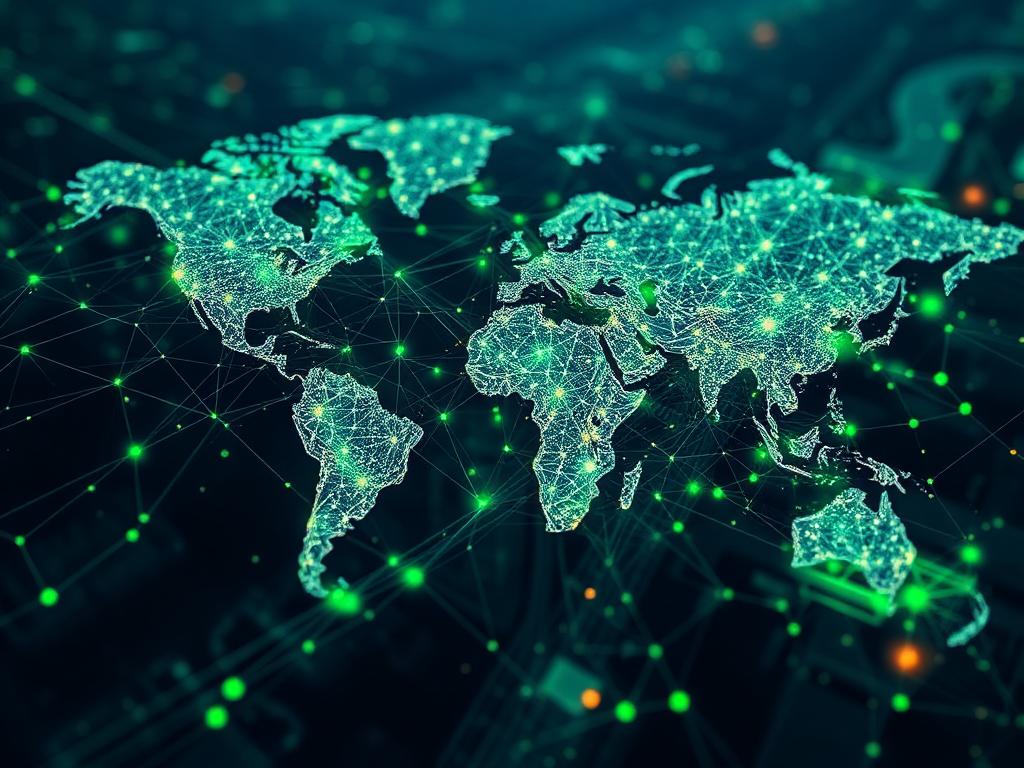
Cities are evolving into operating systems for autonomous vehicles, delivery robots, infrastructure inspection, emergency response and intelligent public services.
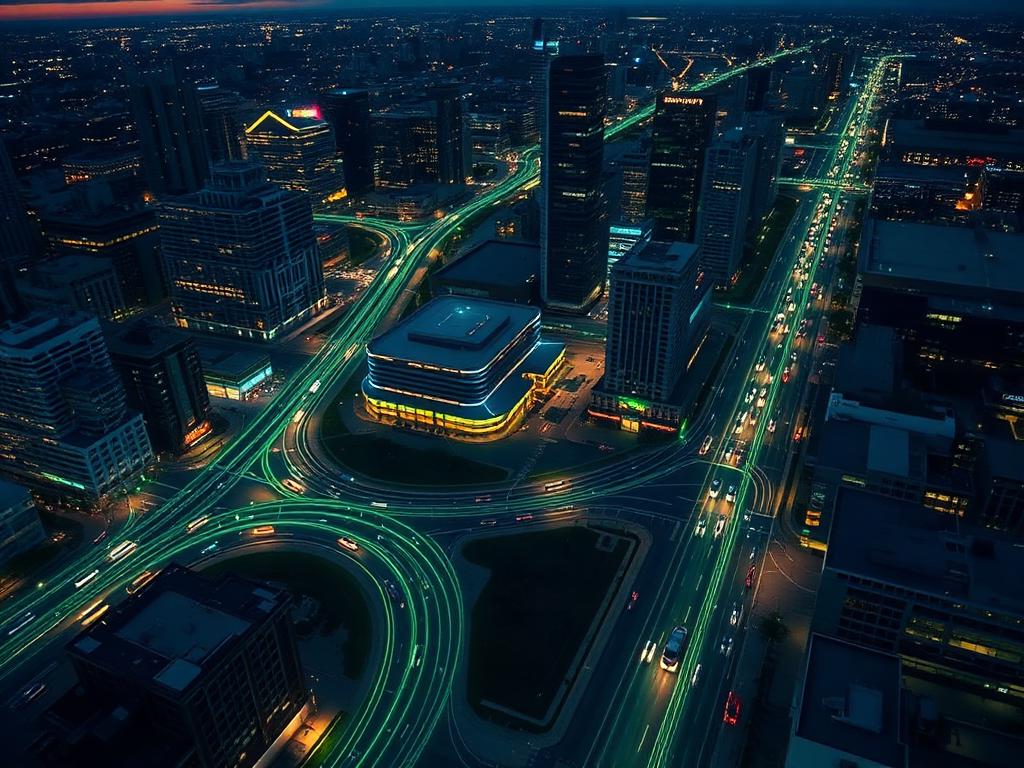
Critical infrastructure is becoming continuously monitored, intelligently managed and increasingly autonomous.
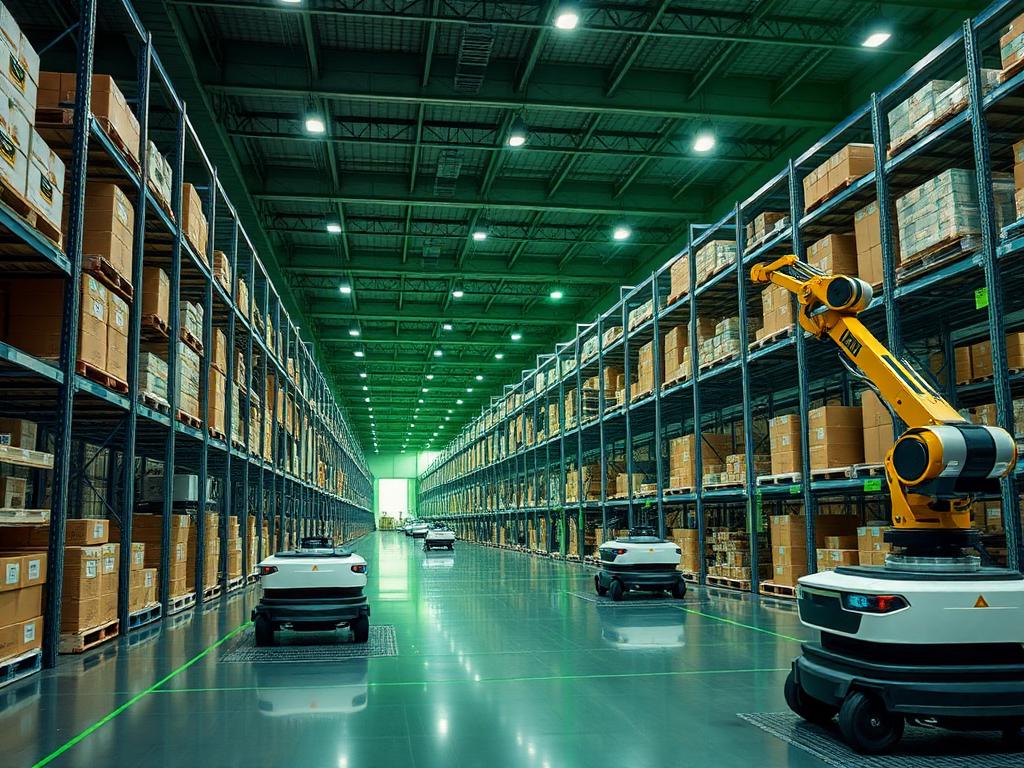
Warehouses, logistics centers, manufacturing facilities and distribution networks are rapidly becoming environments where humans and intelligent machines work together.
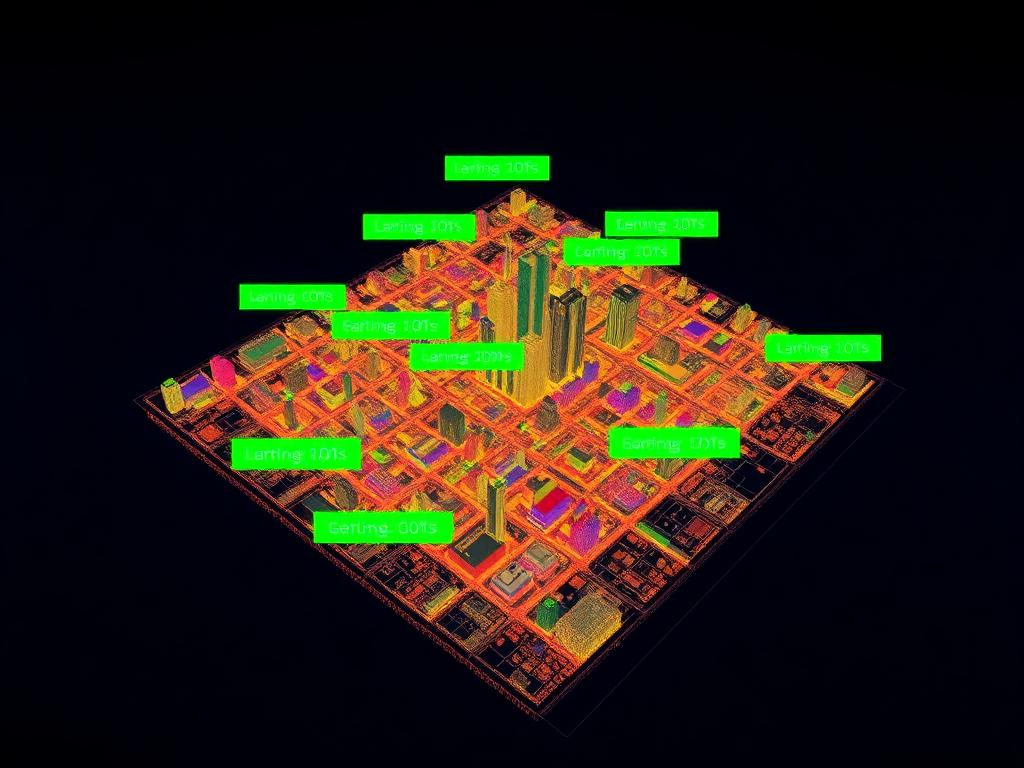
Digital twins are becoming operational platforms that enable AI systems to understand and interact with the physical world.
The concluding executive summit looks ahead to the next decade, exploring how governments and industry can collaborate to build the infrastructure that intelligent machines will depend on.
Senior executives accountable for the infrastructure intelligent machines will soon run on — from public works and DOTs to robotics and supply chain operations.
Inspired by Robotic Data’s vision of continuously refreshed World Data for Physical AI and NVIDIA’s leadership in accelerated computing, this series positions Physical AI as a strategic discipline spanning government, transportation, utilities, telecommunications, logistics, robotics and infrastructure.
Invitations are extended to senior executives across government, transportation, utilities, telecommunications, robotics, smart cities, defense, energy and infrastructure.